Electronics > EXAM > EECS 170A Electronics I Midterm-II Exam Solutions (All)
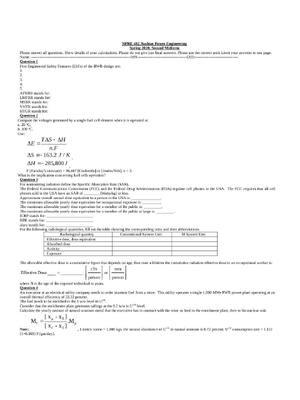
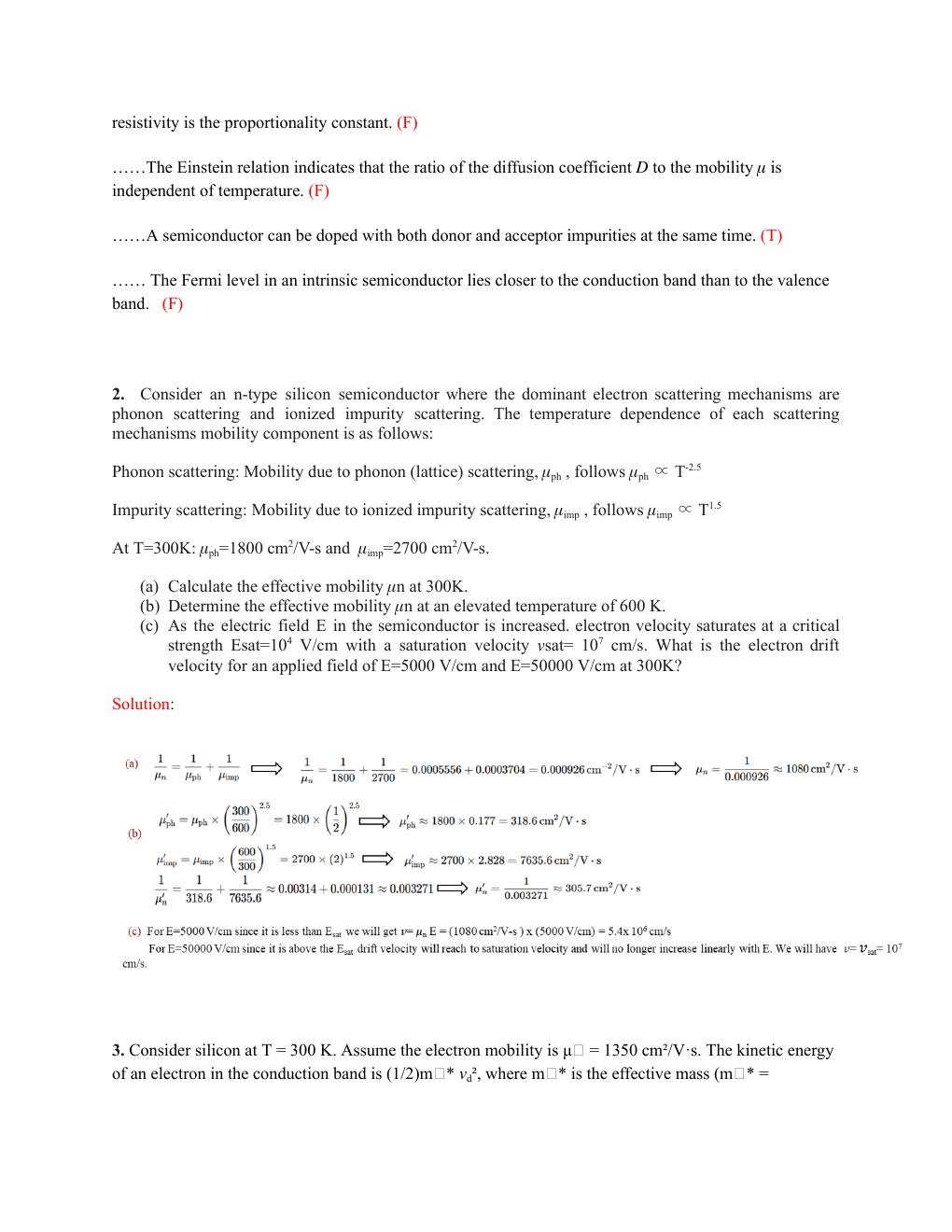
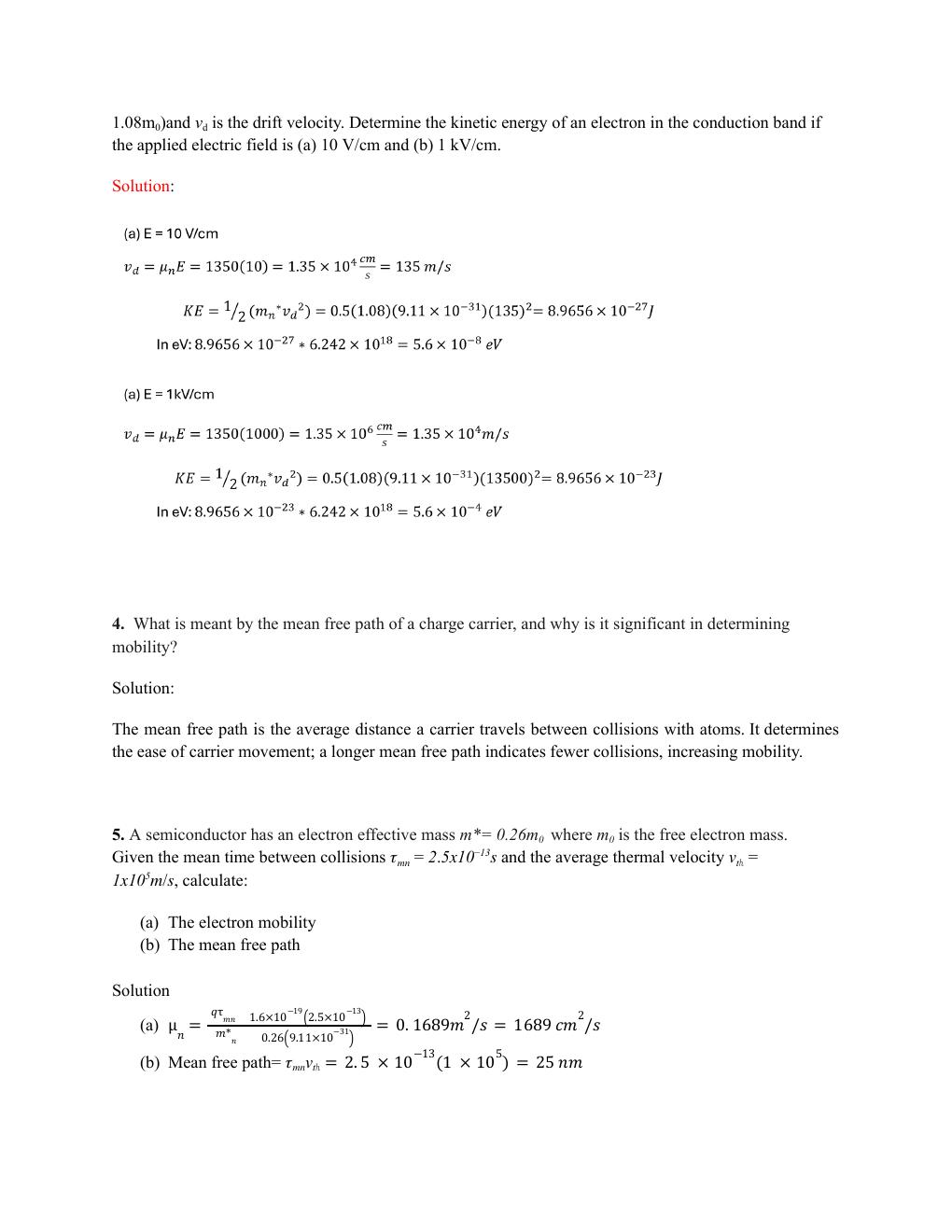
EECS 170A Electronics I Midterm-II Exam Solutions
Document Content and Description Below
Last updated: 5 hours ago
Preview 3 out of 12 pages
Instant download
Buy this Document to get the Full Access Instantly
Provided by Students Who Aced it
We Verify Document Content to Gurantee Accuracy
Reviews( 0 )
Document information
Connected school, study & course
About the document
Uploaded On
Nov 03, 2026
Number of pages
12
Written in
All

Additional information
This document has been written for:
Uploaded
Nov 03, 2026
Downloads
0
Views
2
Topic Tags
Recommended For You
Get more on EXAM »
NCATT AET Practice Test 2026: 60 Verified Questions & Answers
IRSC CRIME SCENE FINAL STUDY SCRIPT 2026 COMPLETE QUESTIONS AN...
IRSC CRIME SCENE EXAMINATION TEST 2026 QUESTIONS AND SOLUTIONS...
IPC A 610 PRACTICE EXAMINATION 2026 QUESTIONS WITH ANSWERS GRA...

eBook [PDF] Towards Wireless Heterogeneity in 6G Networks 1st...
Electrical Mechanic-Test Technician Study Guide Test with ques...
ELITE CEU Alarm Level 1 2026 – Complete Exam Questions and Cor...
EXTRON AV ASSOCIATE CERTIFICATION EXAM AND STUDY GUIDE LATEST...
Solutions Manual for Microelectronic Circuits 8th Edition by S...

eBook [PDF] Electronics Principles and Applications 10th Editi...

eBook Electronics Principles and Applications 10th Edition By...
Fundamentals of Semiconductor Devices 1e Richard Anderson, Bet...

Electronics Fundamentals Circuits, Devices & Applications, 8e...

EDPM CXC Final Exam Questions and 100% Verified Answers. Grad...
Solution Manual For Electronic Devices, Global Edition, 10th E...
Test Bank For Electrical Wiring Commercial 18th Edition by Phi...
Solutions Manual to Optoelectronics and Photonics: Principles...

eBook Power Electronics Step by Step Design Modeling, Simulati...